

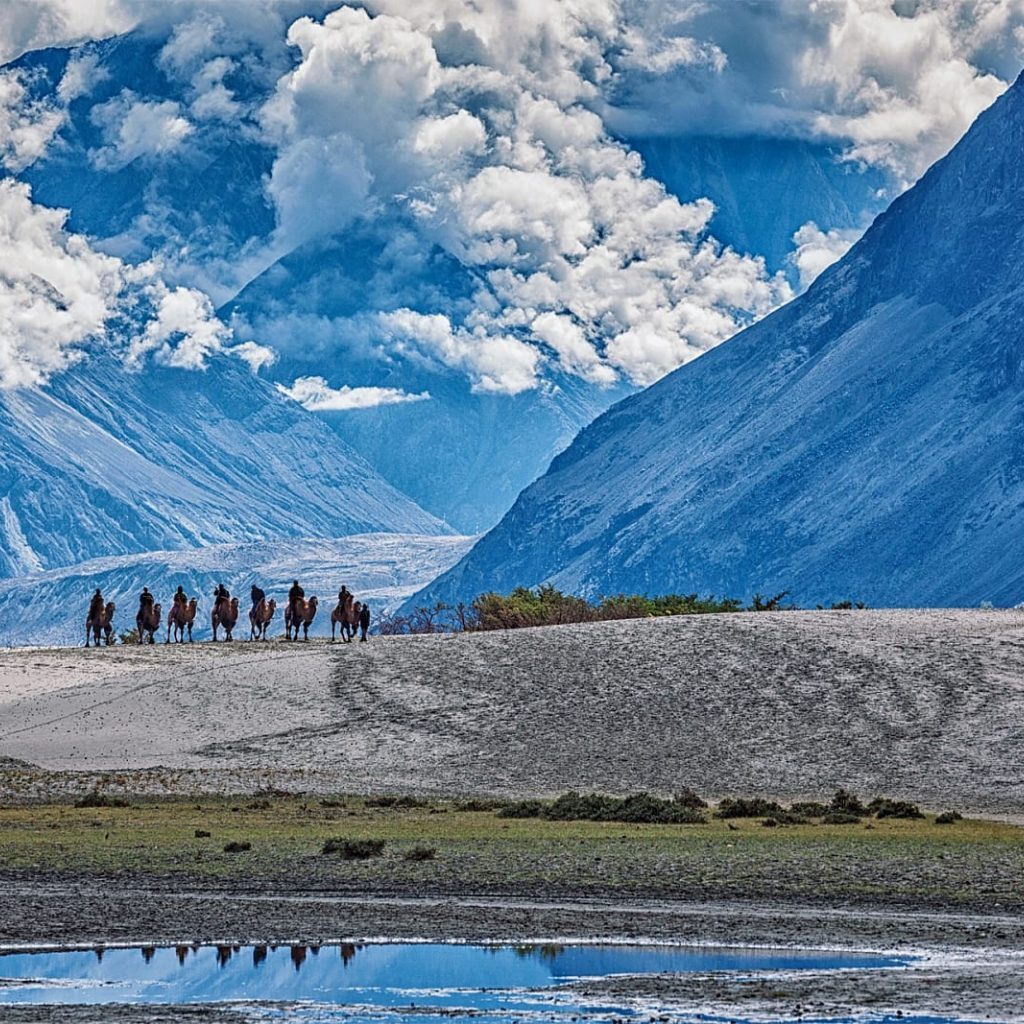
Land of High Passes & Breathtaking Beauty
Perched at altitudes where the sky meets the earth, Ladakh is not just a destination—it’s a spiritual journey through one of the world’s most stunning landscapes. Known as “The Land of High Passes,” this cold desert region in northern India offers everything from ancient Buddhist monasteries to turquoise high-altitude lakes, from thrilling mountain passes to warm Ladakhi hospitality.
Nestled between the Karakoram and Himalayan mountain ranges, Ladakh is a place where nature displays its raw, untamed beauty. With oxygen-thin air, crystal-clear skies, and landscapes that seem painted by divine hands, Ladakh promises an adventure that will stay etched in your memory forever
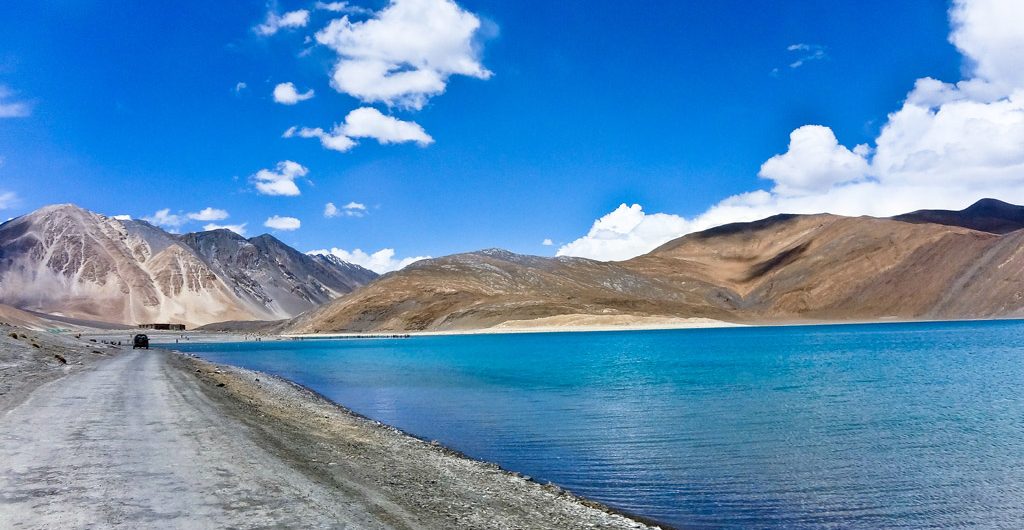
Why Visit Ladakh?
Ladakh is where adventure meets spirituality, where ancient culture thrives in modern times, and where every turn reveals a view more spectacular than the last. The region offers unparalleled experiences for bikers, trekkers, photographers, spiritual seekers, and anyone yearning for an escape from the ordinary.
🌡️ Climate
Cold desert with extreme temperatures. Summer: 20-30°C, Winter: -20 to -30°C
📍 Altitude
Average elevation: 3,000-3,500m (9,800-11,500 feet)
🗣️ Language
Ladakhi, Hindi, English widely understood
Best Time to Visit Ladakh
Summer Season (May to September)
This is the most popular time to visit Ladakh. The weather is pleasant, all roads and passes are open, and the region comes alive with festivals and tourists. Temperatures range from 20°C to 30°C during the day, dropping to 10°C at night. This is perfect for road trips, trekking, and exploring monasteries.
Monsoon Season (July to August)
Ladakh receives minimal rainfall due to its location in the rain shadow of the Himalayas. However, occasional cloudbursts can occur. The landscapes are at their greenest during this time, and tourist crowds start to thin out.
Winter Season (October to April)
For the truly adventurous, winter in Ladakh offers a completely different experience. The famous Chadar Trek (frozen river trek) happens in January-February. Most high passes remain closed, but the stark beauty and frozen landscapes are mesmerizing. Only accessible by air during peak winter.